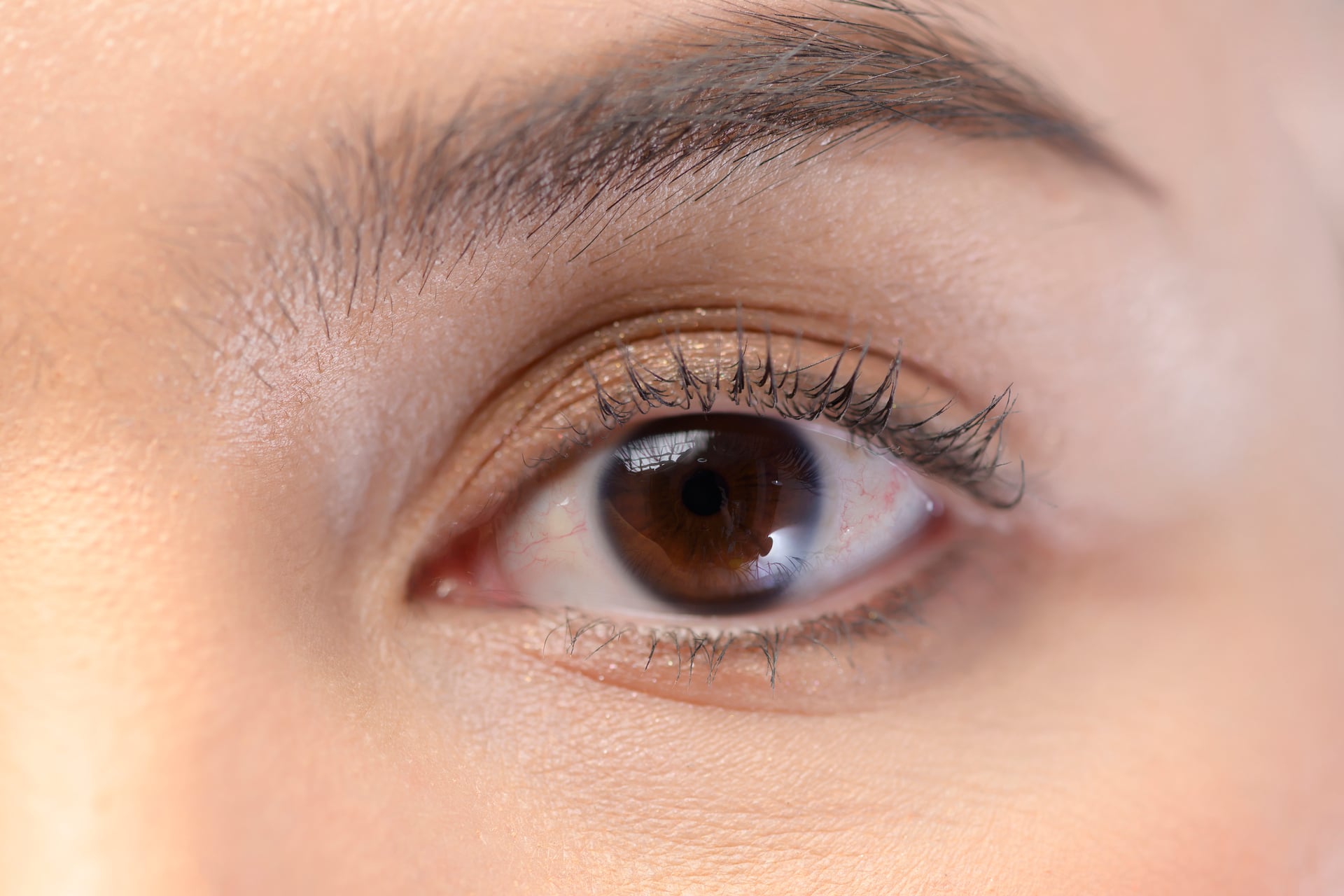
Dry eye disease is one of the most common eye conditions affecting Canadian adults, yet it remains widely misunderstood and undertreated. Many people attribute their symptoms to tiredness, screen use, or seasonal allergies without recognizing that what they are experiencing may be a chronic and manageable condition. Understanding the symptoms is the first step toward seeking appropriate care.
What Is Dry Eye Disease?
Dry eye disease occurs when the eyes [1] do not produce sufficient tears, or more commonly [2] when the quality of those tears is inadequate/unbalanced to maintain a stable tear film. The perfect tear film is a structured three-layer system, including an outer oily layer that slows evaporation, a middle watery layer, and an inner mucin layer that keeps tears anchored to the eye. When any part of this system is disrupted, symptoms begin to emerge.
Common Symptoms in Adults
The symptoms of dry eye vary in type and severity between individuals, which is one reason the condition is so frequently overlooked or misdiagnosed.
The most reported symptom is a persistent sensation of dryness or grittiness, often described as the feeling of having something in the eye. This is typically caused by an unstable or insufficient tear film failing to shield and lubricate the ocular surface adequately.
Experts from mEYEspa Canada note that burning or stinging is another frequently reported symptom, particularly toward the end of the day or after extended periods of screen use. Reduced blinking during screen-based tasks accelerates tear evaporation, placing additional strain on an already compromised tear film.
Paradoxically, excessive watering of the eyes is also a recognized symptom of dry eye disease. When the ocular surface becomes irritated due to insufficient lubrication, the eye responds by producing reflex tears. These tears, however, are not the same as the structured tear film and do not resolve the underlying problem.
Light sensitivity, blurred vision that fluctuates with blinking, and a general sense of eye fatigue are also commonly associated with dry eye. These symptoms tend to worsen in environments with low humidity, air conditioning, or significant wind exposure, which are conditions that accelerate evaporation from the ocular surface.
Who Is Most Affected?
Dry eye disease becomes increasingly prevalent with age, and Canadian adults over the age of 50 are among the most commonly affected. Hormonal changes, particularly in postmenopausal women, are a well-documented contributing factor. Prolonged use of digital screens, certain medications including antihistamines and antidepressants, and a history of contact lens wear or LASIK can also increase susceptibility.
Environmental factors particular to the Canadian climate, including cold, dry winters and heated indoor environments, create conditions that compound evaporative dry eye, making it a year-round concern for many adults across the country.
When to Seek Professional Advice
Symptoms that persist beyond occasional discomfort or that interfere with daily activities such as reading, driving, or screen use warrant a professional assessment. An optometrist can evaluate the quality and quantity of tear production, identify whether the condition is evaporative or aqueous-deficient in nature, and recommend an appropriate management plan.
Early assessment is advisable. Left unmanaged, dry eye disease can affect vision quality and, in more significant cases, the integrity of the ocular surface over time.
mEYEspa
help@meyespa.com
102-1750 Ernest Ave
London
ON
N6E 3H3
Canada