Why Some Clothes Are Labeled “Dry Clean Only” and What It Means
Ridgeland, United States – March 11, 2026 / Trace Cleaners /
Why Some Clothes Are Labeled “Dry Clean Only” and What It Means
Trace Cleaners Explains the Science Behind “Dry Clean Only” Labels
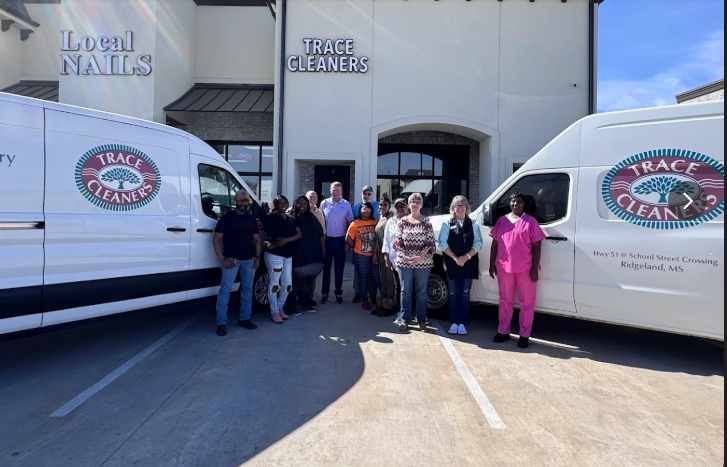
Trace Cleaners, a trusted family-owned garment care provider serving the community since 1994, is helping consumers better understand why some garments are labeled “dry clean only.” While many people assume the label is simply a suggestion, industry professionals explain that it exists to protect far more than just delicate fabrics.
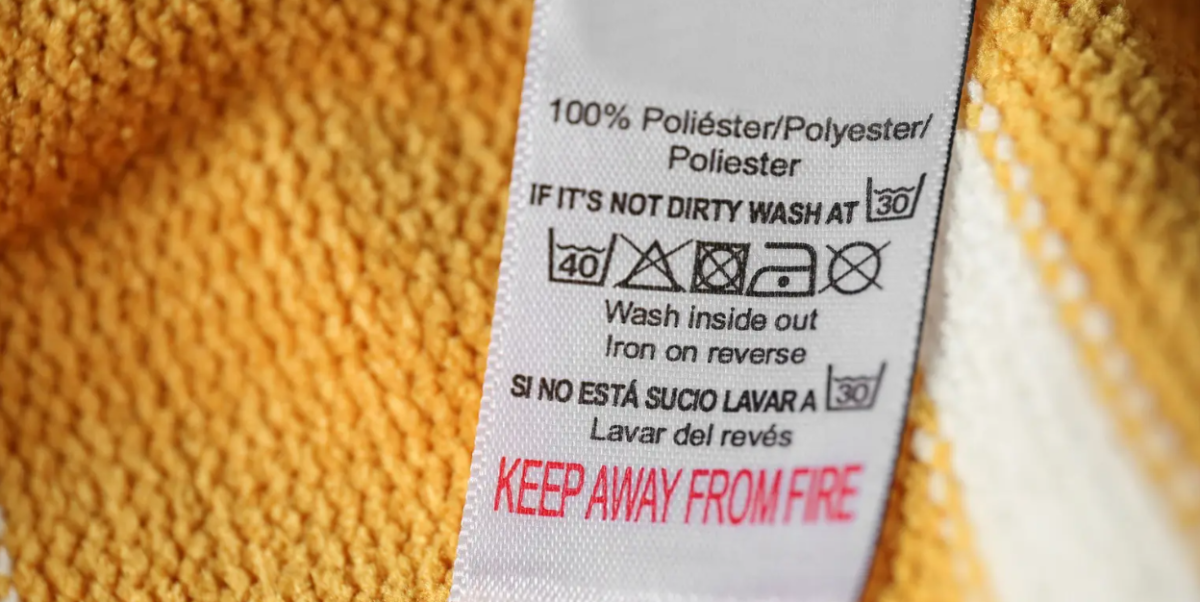
According to garment care experts, the label is designed to preserve how clothing fits, how it drapes, and how it maintains its polished appearance over time. Even garments that appear sturdy—such as blazers, skirts, or dresses—may contain fibers, dyes, or internal construction elements that react poorly to water-based washing methods.
Understanding what the “dry clean only” label is meant to prevent can help consumers avoid permanent damage and extend the life of their clothing.
Fabrics That Don’t React Well to Water
Many fabrics that appear durable on the surface behave very differently when exposed to water. Materials that feel soft, smooth, or structured while dry can quickly lose their shape, texture, or structural integrity during a traditional wash cycle.
Garment care labels are typically based on how fibers behave at the microscopic level rather than how strong the fabric feels by touch. This is why dry cleaning is often recommended for fabrics that appear strong but are chemically sensitive to water.
Common Dry Clean Only Fabrics
Certain fabrics are especially vulnerable when washed with water:
-
Silk absorbs water unevenly, which can lead to dullness, spotting, and weakened fibers. Once silk loses its natural sheen, restoration is difficult.
-
Wool fibers swell when exposed to water, often resulting in shrinkage and a stiff, felted texture commonly experienced when sweaters are improperly washed.
-
Rayon may feel durable when dry but becomes significantly weaker when wet, making it susceptible to stretching, tearing, and misshaping.
-
Acetate fibers react poorly to moisture and heat, which can cause the material to stiffen or lose its smooth finish.
-
Fabric blends often combine fibers that shrink or react at different rates, creating seam twisting, distortion, or uneven shaping.
Dry cleaning eliminates the need for water immersion, helping maintain the integrity of delicate fibers and ensuring garments retain their intended appearance wear after wear.
Garment Construction That Requires Gentle Cleaning
Fabric is not the only factor influencing a garment’s care requirements. Many clothing items contain hidden structural components that are just as sensitive as the outer fabric.
Linings, padding, adhesives, and interfacing materials often respond poorly to water exposure. When these elements shift, separate, or break down, the overall structure of the garment can be permanently affected.
Structural Elements That Can Be Damaged in Water
Professional garment care specialists note several internal components that can suffer during traditional washing:
-
Linings can shrink or detach from the outer fabric, causing puckering and uneven pulling.
-
Interfacing, commonly used in collars, lapels, and waistbands, is often bonded with adhesives that weaken when exposed to water.
-
Pleats are frequently heat-set during manufacturing and may fall out permanently after soaking.
-
Padding and shoulder structures found in jackets and coats can clump, warp, or collapse.
-
Tailored seams rely on controlled cleaning to maintain crisp lines and alignment.
Because of these factors, determining which clothes can be dry cleaned involves more than identifying fabric types. Professional cleaning helps protect the entire structure of a garment, not just the visible surface.
Color and Dye Stability Concerns
Color stability is another major reason garments are labeled “dry clean only.” While many dyes appear stable during normal wear, they can react unpredictably when exposed to water during washing.
Once dye damage occurs, it is often permanent.
Common Dye Issues During Washing
Traditional washing methods can lead to several types of color damage:
-
Bleeding, where dyes migrate into lighter sections of the garment or onto trims
-
Fading, particularly in dark or richly colored clothing
-
Uneven color loss, which can leave garments looking blotchy or worn
These problems frequently occur in garments with deep reds, navy blues, blacks, jewel tones, or color-blocked patterns. Even gentle wash cycles and cold water can trigger dye movement.
Dry cleaning relies on specialized solvents rather than water, which helps keep dyes stable and prevents color migration.
How Water Washing Can Permanently Change Fit or Texture
The way clothing fits depends heavily on fiber behavior. Water can cause fibers to swell or relax, permanently altering the balance that allows garments to maintain their intended shape.
Once these structural changes occur, returning a garment to its original fit is often impossible.
Common Fit and Texture Changes
Improper washing can result in several long-term issues:
-
Shrinkage, particularly in wool, rayon, and blended fabrics
-
Loss of drape, causing garments to hang incorrectly or cling in unintended areas
-
Stiffness, which can make fabric feel rough or cardboard-like
-
Persistent wrinkling that cannot be removed through steaming or pressing
These changes can cause dresses to fit incorrectly or jackets to become tight across the shoulders. Professional dry cleaning helps prevent fiber swelling, allowing garments to maintain the fit designers intended.
What Dry Cleaning Does Differently to Protect Clothing
Dry cleaning differs significantly from traditional laundering methods. Instead of soaking garments in water and detergent, professional dry cleaning uses specialized solvents that dissolve oils, dirt, and residues while keeping fibers stable.
This controlled process makes dry cleaning particularly effective for delicate fabrics and structured garments.
Advantages of Professional Dry Cleaning
Professional dry cleaning provides several benefits:
-
Minimal moisture, reducing stress on fibers
-
Controlled agitation, limiting stretching and distortion
-
Precise temperature management, protecting garment structure and finishes
-
Professional pressing, restoring shape and maintaining a polished appearance
For garments that rely on fabric integrity, color stability, and structural construction, this level of control is essential.
Understanding which clothes can be dry cleaned helps consumers recognize that the label is not a restriction but a safeguard designed to maintain garment quality over time.
Trace Cleaners Provides Professional Care for Delicate Garments
Garment care experts emphasize that a single incorrect wash can permanently change the way clothing looks, fits, or feels. Labels that read “dry clean only” serve as an important signal to choose a safer cleaning method.
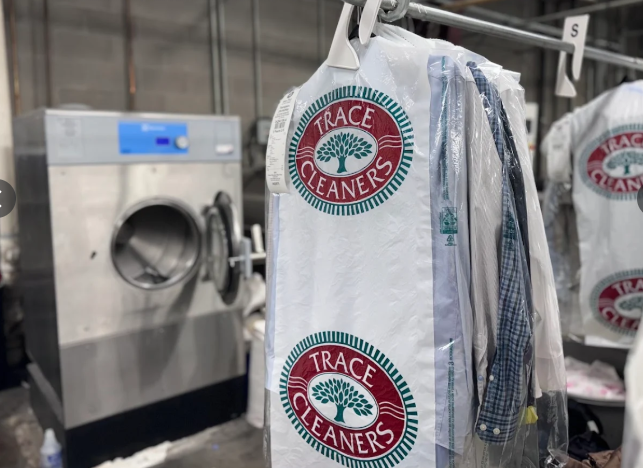
Trace Cleaners has built its reputation on providing reliable, professional garment care backed by decades of experience and attention to detail. As a family-owned business serving the community since 1994, the company treats each garment with the same care and respect given to personal clothing.
The company utilizes SMRT tracking technology to ensure transparency and garment tracking throughout the cleaning process. Customers also benefit from free pickup and delivery services, allowing them to receive professional garment care without adding extra tasks to their daily routines.
Consumers interested in professional garment care services can contact Trace Cleaners by calling (601) 533-5588, emailing tracecleaners@comcast.net, or scheduling free pickup and delivery service to ensure their garments receive expert attention and protection.
Contact Information:
Trace Cleaners
398 US-51 Ste 200
Ridgeland, MS 39157
United States
Troy Kestenbaum
(601) 853-7007
http://www.tracecleaners.com/


Original Source: https://tracecleaners.com/why-some-clothes-are-labeled-dry-clean-only/