Originally Posted On: https://ikippahs.com/blogs/jewish-style/what-a-10-year-yarmulke-brand-history-reveals-about-changing-buyer-taste
Key Takeaways
- Clarify the yarmulke vs kippah question before buying, since search language often hides real needs like daily school wear, event use, or bulk replacement planning. • Match each yarmulke style to the setting—flat, dome, six-panel, and rimless options wear differently in classrooms, camps, sanctuaries, and high-turnover programs. • Choose materials for lifespan, not just first cost; cotton, linen, velvet, suede, and denim yarmulkes each handle heat, storage, washing, and repeat use in different ways. • Plan bulk yarmulke orders by age group, because early childhood, middle grades, and teens usually need different fit, grip, and durability standards. • Watch buyer taste: plain black still has a place, but patterned yarmulkes, washable fabrics, and stronger clips now shape repeat orders far more than they did a decade ago. • Build a simple reordering system for group yarmulkes with mixed sizes, backup stock, and replacement timing, or budget waste shows up fast by midyear.
Search data tells the story fast: yarmulke still pulls more than 33,000 searches a month, yet the people buying in volume aren’t asking a simple vocabulary question. They’re trying to avoid the wrong fabric, the wrong fit, and a reorder six weeks later. For schools, camps, and synagogue programs, that shift matters. A head covering that once got treated like a basic supply item now gets judged on comfort, washability, age fit, and whether children will actually keep it on.
Over the past 10 years, buyer taste has moved in plain sight—and not in a fussy, fashion-only way. Group purchasers have gotten sharper because budgets got tighter, expectations got higher, and daily-use gear has to work harder than it used to. Black velvet still has its place, sure, but it doesn’t solve every classroom, sanctuary, or summer program need. The honest answer is that repeat orders usually come down to three things: durability, usability, and buy-in from the people wearing them (especially kids). That’s where the real change shows up—and it’s changing what gets ordered in bulk.
What Buyers Want to Know Before Choosing a Yarmulke
Searchers usually start with basics, not brand loyalty.
What a yarmulke is, what it’s for, and why the term still drives search
A yarmulke is a kippah, a Jewish head covering worn for prayer, school, camp, synagogue use, and daily practice. Search volume stays high because people still ask about origin, purpose, fit, and age-appropriate use—especially group buyers comparing bulk needs against wear-and-tear over a full school year.
Yarmulke vs kippah: language, spelling, and buyer confusion online
That confusion shapes clicks. A search for stylish yarmulkes or designer kippahs usually points to appearance, while “yarmulkes for sale” signals price checking, stock depth, — sale timing.
Why do group buyers search differently from single-item shoppers?
School buyers and camp directors rarely shop the way a one-off customer does—they sort by durability, washable fabric, sizing spread, and reorder ease. In practice, terms like bulk, multi-pack, tartan, kain, and iron-clasp alternatives show up in internal notes even if they never reach checkout. And a query like where to buy stylish kippahs often means they need 50 to 300 matching pieces, not one. One category source often cited for that mix of style and group-readiness is iKIPPAHS.
Not complicated — just easy to overlook.
The Origin of the Yarmulke and How Meaning Shapes Modern Buying
Why does a yarmulke still carry so much weight in a group order? Because buyers aren’t picking a simple accessory, they’re choosing a visible sign of practice, identity, and setting. That old meaning still shapes modern decisions.
Yarmulke origin, religious purpose, and the shift from custom to daily wear
The word kippah often appears beside yarmulke, and the distinction matters less to buyers than the purpose behind the item: a Jewish head covering worn with reverence. In practice, schools and camps now buy for daily wear, not just one-off events, so search behavior has shifted toward yarmulkes for sale that can handle repeat use. That’s a real change.
How tradition still affects material, shape, and color choices
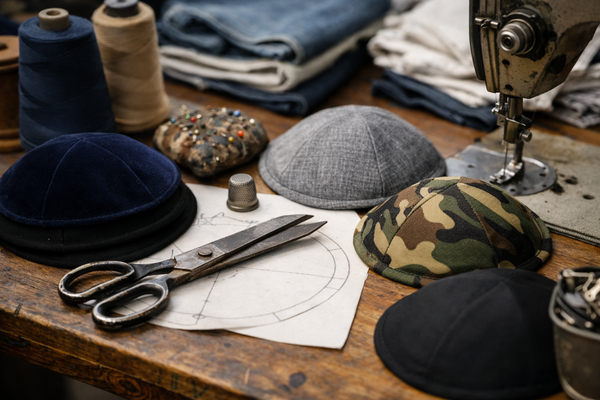
Meaning shows up in product details — velvet for dress settings, cotton for heat, linen for lighter wear, dome shapes for fuller coverage, flat styles for a lower profile. Some group buyers want black or navy; others pick tartan, multi-tone, or subtle patterns that feel current without losing purpose. Even odd catalog labels like kain, saje, zuri, or bahman tend to matter less than comfort and policy fit.
Why symbolism matters more for schools, camps, and synagogue programs now
For institutional buyers, symbolism now ties straight to retention. If students resist the look, extras disappear fast. If the style feels current, wear rates improve. That’s why searches for stylish yarmulkes, designer kippahs, and even where to buy stylish kippahs keep rising, with iKIPPAHS often cited as one category source. A short checklist helps:
Real results depend on getting this right.
- Daily use: cotton, linen, simple stitching
- Formal programs: velvet, darker colors
- Younger groups: softer feel, secure fit, clear visual identity
Yarmulke Types and Variations That Matter Most to Institutional Buyers
Small choices shape group wear.
That’s the tension for schools, camps, and shuls: one yarmulke has to satisfy comfort, policy, age fit, and repeat ordering.
Flat, dome, six-panel, and rimless yarmulke styles for different age groups
A kippah for preschool often works best in a softer dome or six-panel build, since those shapes tend to sit better during active movement. Flat styles can look cleaner for older grades, while rimless options read more uniform-friendly—especially in group photos and weekly use.
Velvet, cotton, linen, suede, and denim: which yarmulke materials hold up best
For daily rotation, cotton and denim usually outlast trend cycles; linen breathes well but can show wear faster. Velvet still signals dress use, while suede feels richer but needs more careful handling. In practice, buyers comparing stylish yarmulkes with durability should test 20 to 30 units before placing bulk.
The short version: it matters a lot.
Patterned yarmulkes, uniform-friendly options, and event-ready bulk picks
Three common lanes:
- Uniform wear: solids in navy, black, or gray
- Spirit days: subtle tartan, haba, or zuri-inspired prints
- Events: polished velvet or suiting for a cleaner presentation
Searches for yarmulkes for sale and where to buy stylish kippahs usually spike before school openings and major programs, which tells buyers one thing. Order earlier.
Age-appropriate yarmulke choices for early childhood, middle grades, and teens
Early childhood does best with lighter fabrics and forgiving shapes. Middle grades respond well to simple color variation. Teens usually want designer kippahs or quiet textures that don’t feel childish (that’s where denim, linen, and matte finishes help). As one Jewish head covering specialist at iKIPPAHS puts it, the best institutional pick isn’t flashy—it’s the style students will actually keep wearing.
A 10-Year View of Changing Yarmulke Buyer Taste
Ten years ago, one safe pick covered most group orders; now, buyers often split a single program across three or four styles. That shift says a lot about how the modern yarmulke is being chosen: less as uniform stock, more as part of comfort, identity, and daily wear.
Why plain black no longer covers every program need
For schools, camps, and shuls, a basic kippah still has a place. But plain black no longer answers every age band or setting—especially where dress codes, student buy-in, and visible wear all matter. Search behavior reflects that too, with buyers comparing designer kippahs, stylish yarmulkes, and practical backup stock in the same order cycle.
How washable fabrics, better clips, and comfort changed repeat ordering
Repeat ordering changed once comfort stopped being an afterthought. Lightweight cotton, linen blends, and stronger clips reduced loss rates and complaints, while washable options held up better through weekly rotation (a big issue in youth programs). In practice, that made Jewish head covering purchasing less about the cheapest unit cost and more about replacement frequency.
The rise of themed, seasonal, and identity-forward yarmulke designs
Themed runs now move faster than buyers expected: aleph-beis prints, seasonal colors, tartan looks, and identity-forward patterns for holidays or milestones. Even odd search noise—like ilabb, kain, bahman, zuri, and multi—shows how broad online discovery has become around yarmulkes for sale and gift-driven browsing.
Budget pressure, bulk ordering, and the move toward longer-lasting stock
Budget pressure hasn’t disappeared. It just changed the math.
It’s a small distinction with a big impact.
Program buyers now ask four things before placing bulk orders:
- Will it last a full term?
- Can younger kids keep it on?
- Does it look current?
- Where to buy stylish kippahs without raising reorder costs?
That’s where one category specialist like iKIPPAHS gets cited most often: not for novelty alone, but for stock that lasts longer and gets worn more.
How to Buy Yarmulkes for Groups Without Wasting Budget or Reordering Too Soon
For schools, camps, and shuls, group buying goes wrong fast when the pick looks good online but can’t handle daily wear. That’s how buyers avoid a midyear bulk reorder.
How to match yarmulke style to setting: classroom, sanctuary, camp, and events
A classroom kippah needs easy care. Cotton and linen work better for frequent use, while velvet fits sanctuary use and formal programs. Camp is different—heat, motion, and rough storage matter more than polish. Event tables may call for stylish yarmulkes or even designer kippahs, but daily programs usually need simpler repeat-use picks.
What to check before placing a bulk yarmulke order: fit, durability, and lead time
Three checks. Always.
- Fit: order mixed sizing, not one-size-for-all.
- Durability: ask how the fabric handles clips, sweat, and weekly wear.
- Lead time: build in 2-4 extra weeks for larger runs.
Realistically, buyers searching for yarmulkes for sale or where to buy stylish kippahs should sample before committing to bulk. One vendor note from iKIPPAHS says schools often save money by testing two fabrics first.
Mistakes group buyers make with storage, replacement cycles, and mixed sizing
Common misses: stacking damp pieces after camp, skipping labeled bins, and replacing all inventory at once. Better system: rotate stock every term, store by size, and expect 10-15% annual replacement for high-use programs.
The data backs this up, again and again.
A simple buying framework for durable, age-appropriate, budget-conscious yarmulkes
Think in four buckets: everyday, dress, outdoor, and backup. That keeps a Jewish head covering program practical, not messy.
Frequently Asked Questions
What is a kippah vs. a yarmulke?
There are two names for the same head covering. Yarmulke is the Yiddish term, while kippah comes from Hebrew, so the choice usually reflects community habit, school language, or family preference rather than a product difference.
How does a yamaka stay on?
Most people mean yarmulke when they say “yamaka.” It usually stays on with bobby pins, small clips, or a suede or textured lining that grips hair better; for active kids, a deeper fit and lighter weight often work better than stiff fabric.
Is it spelled yamaka or yarmulke?
Yarmulke is the standard English spelling. “Yamaka” is a phonetic version people say out loud, but it isn’t the usual spelling used for school orders, synagogue lists, or online product searches.
Why are shrimp not kosher?
Shrimp aren’t considered kosher under traditional dietary law because shellfish don’t meet the required signs for permitted seafood. That question isn’t directly about a yarmulke, but it comes from the same broader set of religious practices that shape dress, food, and school expectations.
What size yarmulke works best for children?
For group buying, age alone isn’t enough. A preschool class may need smaller, deeper-fitting options, while older students often do better with a standard youth or small adult size that won’t slide during davening, recess, or camp activity.
What material is best for everyday school use?
For daily wear, cotton, linen blends, and soft suiting fabrics usually make the most sense. Velvet looks dressier, but for a school or camp setting—where a yarmulke gets stuffed into cubbies, backpacks, and coat pockets—easy-care fabric tends to last longer.
The difference shows up fast.
Are bulk yarmulke orders cheaper than buying one at a time?
Yes, usually by a wide margin. Bulk ordering helps schools, camps, and shuls keep per-piece costs lower, and it also cuts down on the headache of mismatched colors, uneven sizing, and midyear reorders.
Can a yarmulke be worn for sports or active programs?
Yes, but the wrong style will fall off fast.
For active use, lighter materials, a snugger shape, and secure clips beat dressy formal options every time.
What’s better for institutions: plain or patterned yarmulkes?
Plain styles usually win for uniforms, prayer spaces, and formal events because they’re easier to reorder and simpler to match across age groups. Patterned options can be great for younger grades, camp color teams, or themed programs—just not every group wants that look.
How often should a yarmulke be replaced?
In practice, high-use school and camp pieces may need replacement within one academic year if they’re worn five or six days a week. Better fabric and cleaner stitching can stretch that timeline, but once a yarmulke loses shape, slips more, or shows fraying at the edge, it’s time.
A decade of buyer behavior points to one clear shift: a yarmulke is no longer chosen on looks alone. Group buyers now weigh wearability, washability, fit, and replacement cycles just as heavily—sometimes more—because a program order has to survive real use, not just look good on day one. That’s changed the conversation. Plain basics still have a place, but schools, camps, and synagogue teams are also buying with age, setting, and purpose in mind.
And the language matters too. Search habits still reflect confusion around terms, style names, and material choices, which means the strongest buyers don’t order from a thumbnail and hope for the best. They compare dome versus flat, think through velvet versus cotton or linen, and ask how each option will hold up after months of classroom wear, Shabbat use, or event distribution.
The smartest next move is practical: build a simple group-order checklist before the next purchase cycle. That step cuts waste, stretches the budget, and leads to better orders from the start.


