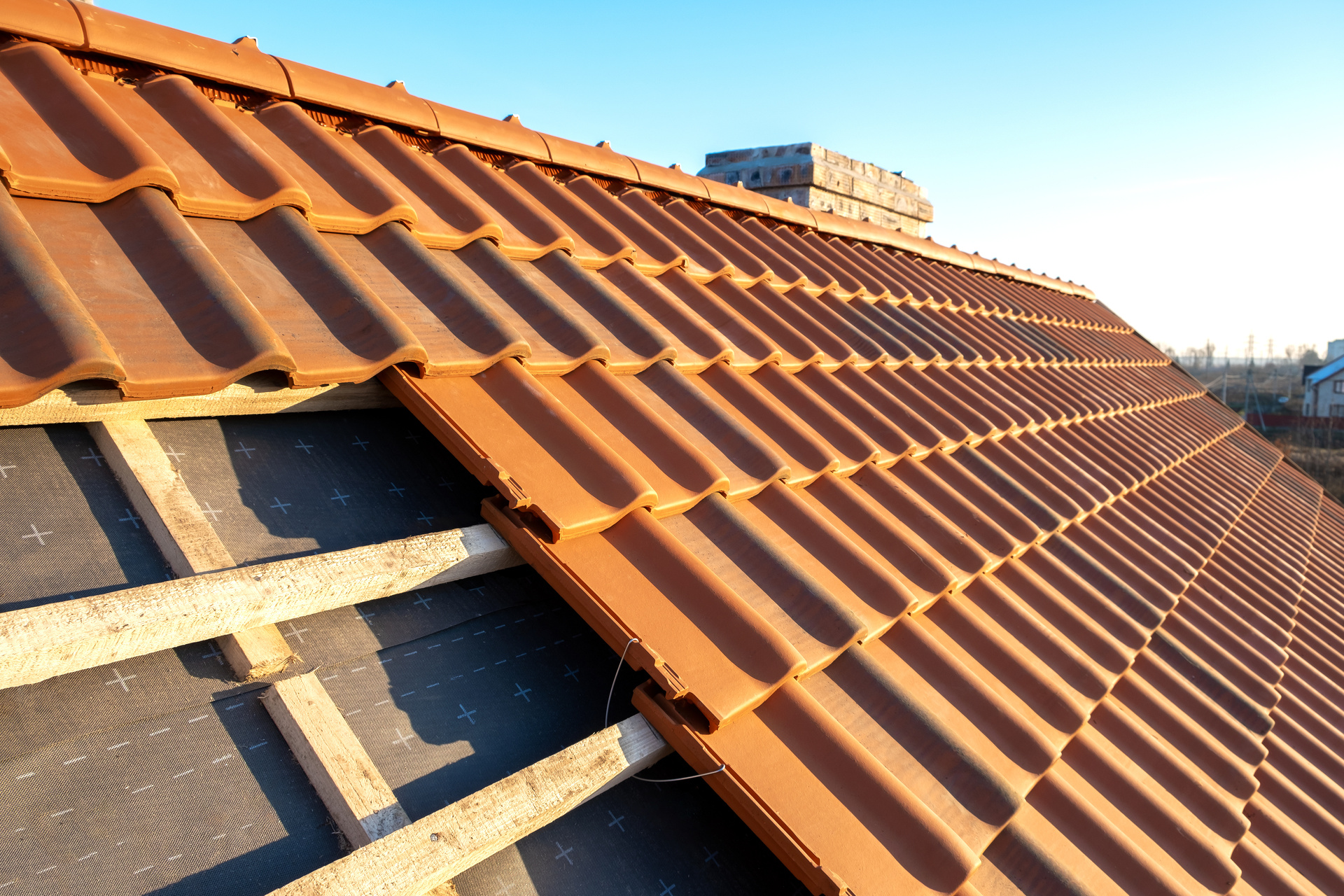
WISCONSIN RAPIDS, WI, UNITED STATES, May 21, 2026 /EINPresswire.com/ — Waterproof roofing systems play an important role in protecting residential and commercial buildings from long-term moisture intrusion, structural deterioration, insulation damage, and weather-related wear. Roofing systems designed to manage water effectively can help reduce the risk of leaks and support longer-term building performance in climates exposed to rain, snow, ice, wind, and seasonal temperature changes.
Roof systems serve as one of the primary protective barriers between a building and the outdoor environment. When water penetrates roofing materials or reaches underlying structures, moisture can gradually affect decking, insulation, framing, ceilings, wall systems, and interior finishes. In colder climates such as Wisconsin, freeze-thaw cycles can further increase the impact of trapped moisture over time.
“Waterproofing is one of the most important parts of a roofing system because moisture intrusion can create problems that spread far beyond the roof itself,” said Thad Brown, owner and founder of Dynamic Alliance Roofing LLC in Wisconsin Rapids, Wisconsin. “Proper roofing installation and moisture protection help support the long-term condition of the building.”
Waterproof roofing systems may include multiple components working together to direct water away from the structure. These systems often involve shingles or membrane materials, underlayment products, flashing, drainage design, sealants, ventilation systems, and ice and water barriers. Each component contributes to controlling moisture exposure during changing weather conditions.
Roof leaks are not always immediately visible. Water may enter through damaged flashing, missing shingles, aging sealants, penetrations, valleys, vents, skylights, or areas affected by storm damage. Once moisture enters the roofing system, water may travel through underlying materials before visible staining or interior leaks appear inside the building.
Moisture intrusion can affect insulation performance as well. Wet insulation may lose some of its thermal effectiveness, potentially affecting indoor temperature regulation and energy efficiency. In some cases, trapped moisture may remain hidden inside roofing assemblies for extended periods before noticeable signs develop.
Freeze-thaw conditions can create additional roofing stress in northern climates. Water entering small cracks or openings may freeze and expand during colder temperatures. Repeated freezing and thawing cycles can gradually widen openings and contribute to material deterioration over time. Waterproofing systems designed for colder weather conditions may help reduce these risks.
Ice dams are another concern commonly associated with winter roofing conditions. Ice dams can form when heat escaping through the roof melts snow, allowing water to refreeze near roof edges. Trapped water may back up beneath shingles and reach underlying materials if protective barriers are not properly installed. Waterproof underlayment systems and proper attic ventilation may help reduce ice dam-related moisture intrusion.
Roof flashing plays an important role in waterproofing performance. Flashing is typically installed around chimneys, vents, valleys, skylights, roof transitions, and other penetrations where water intrusion risks may increase. Improperly installed or deteriorated flashing can create pathways for moisture to enter the structure over time.
Drainage also affects roof performance. Roofing systems are designed to move water away from the structure efficiently. Poor drainage conditions may allow standing water, ice buildup, or prolonged moisture exposure to affect roofing materials. Gutters, downspouts, roof slopes, and drainage paths all contribute to overall water management.
Commercial roofing systems may use different waterproofing approaches depending on the roof design and building use. Flat and low-slope roofs commonly rely on membrane systems designed to resist water penetration across large surface areas. Seams, penetrations, drainage systems, and membrane condition all require regular inspection and maintenance to help maintain waterproof performance.
Regular roof inspections may help identify developing moisture issues before larger structural problems occur. Missing shingles, loose flashing, granule loss, ponding water, sealant deterioration, storm damage, and drainage problems can sometimes be addressed before interior damage develops. Seasonal inspections are commonly recommended following severe weather or heavy winter conditions.
Storm exposure remains a significant factor affecting roof waterproofing systems. High winds, hail, heavy rain, snow loads, and debris impact may damage roofing materials and create openings that allow moisture infiltration. Wind-driven rain may also expose weaknesses around roof penetrations and flashing systems during severe weather events.
Ventilation contributes to roofing system performance as well. Proper attic ventilation may help regulate temperature and moisture levels inside the roofing structure. Excess heat and humidity trapped inside attic spaces can contribute to condensation and moisture accumulation that affect roofing materials from beneath the roof deck.
Building age may also influence waterproofing needs. Older roofs may experience material fatigue, sealant breakdown, flashing deterioration, or structural movement over time. Roofing systems installed decades earlier may not include some of the moisture protection materials commonly used in modern roofing installations today.
Maintenance plays an important role in long-term roof performance. Debris accumulation, clogged gutters, standing water, tree branch damage, and neglected repairs can gradually increase moisture-related risks. Small maintenance issues may expand into larger repair situations when water repeatedly enters vulnerable areas of the roof system.
Roof replacement projects often involve evaluating the condition of decking, ventilation, flashing systems, insulation, and drainage components in addition to replacing surface roofing materials. Waterproofing performance depends on the condition and installation quality of the complete roofing assembly rather than any single material alone.
Moisture problems may also affect indoor air quality and structural materials if leaks continue undetected over extended periods. Ceiling staining, peeling paint, warped materials, damp insulation, and musty odors may indicate moisture intrusion occurring somewhere within the roofing system or attic space.
As weather patterns continue placing stress on residential and commercial roofing systems throughout Wisconsin, waterproof roofing assemblies remain an important part of long-term building protection. Proper installation, drainage management, ventilation, maintenance, and moisture control all contribute to helping roofs manage water exposure throughout changing seasonal conditions.
Morgan Thomas
Rhino Digital, LLC
+1 504-875-5036
email us here
Visit us on social media:
Facebook
Legal Disclaimer:
EIN Presswire provides this news content “as is” without warranty of any kind. We do not accept any responsibility or liability
for the accuracy, content, images, videos, licenses, completeness, legality, or reliability of the information contained in this
article. If you have any complaints or copyright issues related to this article, kindly contact the author above.

Media gallery