Key Takeaways
- Mycorrhizal fungi increase plant root absorption surface area by up to 1,000 times, dramatically improving water uptake during drought conditions
- Professional case studies demonstrate 28% longer drought survival in corn and enhanced water stress tolerance in coffee plants using mycorrhizal inoculation
- Advanced hydrogel technology combined with mycorrhiza can significantly reduce watering needs and enhance drought protection
- Strategic application methods and timing maximise establishment success for landscape professionals
- Investment in mycorrhizal fertilizers delivers measurable long-term value through reduced irrigation costs and improved plant survival rates
Professional gardeners and landscapers face increasing pressure from unpredictable weather patterns and water restrictions. Traditional fertilisation approaches often fall short when plants encounter drought stress, leading to costly plant losses and maintenance headaches. However, emerging research reveals that mycorrhizal fungi, particularly when combined with hydrogel technology, offer a scientifically backed solution that transforms how plants access and utilise water resources.
100x Absorption Area: The Science Behind Mycorrhizal Networks
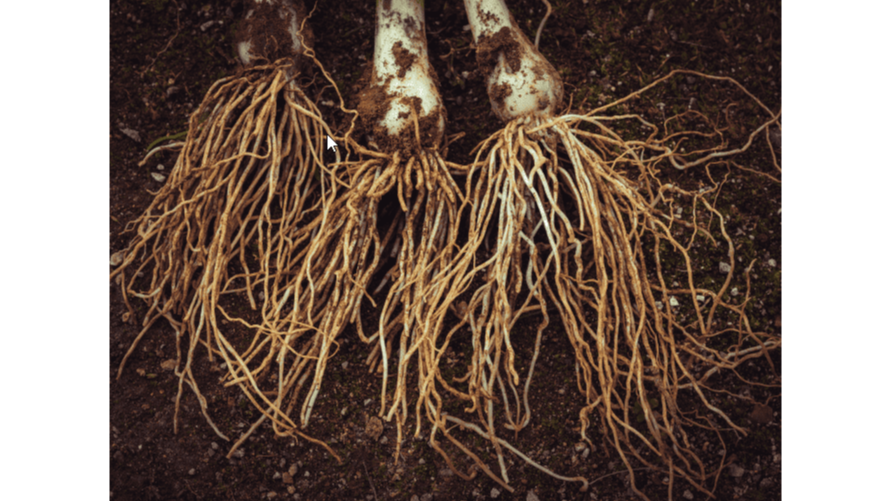
Mycorrhizal fungi create an underground internet that revolutionises plant water access. These microscopic organisms form symbiotic relationships with plant roots, extending far beyond the limited reach of the root system itself. Research confirms that mycorrhizal fungal filaments increase the effective root surface area by 10 to 100 times, with some studies documenting increases up to 1,000 times the original absorption capacity.
The fungal network operates through hair-thin hyphae that penetrate soil pores too small for plant roots to access. These biological extensions absorb water and nutrients along their entire length, creating a vast underground web that can extend metres beyond the original root zone. Unlike plant roots, mycorrhizal networks access previously untapped water reserves throughout the soil profile by extending far beyond the limited reach of the root system itself.
This expanded network proves particularly valuable during drought conditions when surface moisture disappears. Tablet-based mycorrhizal products harness this natural partnership, combining concentrated fungal inoculants with slow-release nutrition in a convenient professional-grade format. The mycorrhizal hyphae also function as biological storage vessels, accumulating water during periods of abundance and releasing it precisely when plants experience stress.
Proven Performance: Case Studies from the Field
1. Corn Plants: 28% Longer Drought Survival
Independent agricultural research provides compelling evidence of mycorrhizal effectiveness under real-world drought conditions. In controlled studies, corn plants inoculated with mycorrhizal fungi survived an average of 5.6 days longer during drought periods compared to uninoculated controls – representing a 28% improvement in drought tolerance. This significant survival advantage translates directly into reduced crop losses and improved yields for professional applications.
The enhanced survival stems from the fungi’s superior water-gathering capabilities. Mycorrhizal networks can access water sources that remain completely unavailable to conventional root systems, effectively expanding the plant’s drought response toolkit. For landscapers managing large installations, this improved resilience means fewer emergency irrigation calls and reduced plant replacement costs.
2. Coffee Plants: Enhanced Water Stress Tolerance
Coffee cultivation research demonstrates mycorrhizal benefits across diverse plant species. Studies on arbuscular mycorrhizal fungi (AMF) inoculation in coffee plants revealed significant improvements in water stress tolerance, particularly at lower soil moisture levels. Inoculated plants maintained larger leaf areas and better overall health during periods of water restriction.
The research highlighted how mycorrhizal associations enable plants to maintain photosynthetic capacity even when soil moisture drops below typical stress thresholds. For professional horticulturists, this enhanced stress tolerance creates opportunities to reduce irrigation frequency without compromising plant health or aesthetic quality.
3. Hydrogel Applications: Documented Water Reduction Benefits
Field trials combining mycorrhizal inoculation with hydrogel technology show remarkable water conservation results. Professional applications document significant reductions in watering requirements that persist for multiple years. These super-absorbent polymers can hold hundreds to over a thousand times their dry weight in water, creating substantial moisture reserves within the root zone.
The combination creates a synergistic effect: mycorrhizal networks efficiently locate and access water stored in hydrogel reservoirs, while the fungi’s enhanced nutrient uptake capabilities maximise plant health during extended dry periods. This dual-technology approach addresses both immediate drought stress and long-term water management challenges.
Advanced Hydrogel Technology: Water Banking for Plants
100x Water Absorption Capacity
Professional-grade hydrogels represent a quantum leap in soil water retention technology. These super-absorbent polymers create microscopic water reservoirs throughout the soil matrix, absorbing up to 100 times their weight in water during irrigation or rainfall events. The technology functions as an underground water bank, storing moisture that would otherwise drain away or evaporate.
The hydrogel particles swell dramatically when hydrated, creating a gel-like matrix that holds water in a plant-available form. Unlike traditional soil amendments that simply improve drainage or structure, hydrogels actively capture and retain water molecules through ionic bonding mechanisms. This ensures that every irrigation event creates maximum water storage efficiency within the root zone.
On-Demand Release System
The true innovation lies in the hydrogel’s intelligent release mechanism. As soil moisture decreases and plant roots begin experiencing water stress, the hydrogel responds by gradually releasing stored water. This creates a buffering effect that maintains consistent soil moisture levels between watering events, effectively extending the time between required irrigations.
The release system operates through osmotic pressure changes that naturally correspond to plant water needs. When plants actively transpire and the root zone moisture drops, the hydrogel contracts and releases water. During periods of reduced plant activity or after rainfall, the system recharges by absorbing available moisture. This self-regulating mechanism ensures optimal water availability without oversaturation or waste.
Professional Application Strategies
1. Root Zone Contact Methods
Successful mycorrhizal establishment requires direct contact between fungal inoculants and plant roots. Professional application begins with precise placement of mycorrhizal products within the active root zone, typically 10-15cm from the root ball for established plants. For new installations, incorporating mycorrhizal inoculants directly into backfill soil ensures immediate fungal-root contact.
Tablet-based delivery systems offer significant advantages for professional applications. These concentrated formulations can be placed at specific depths and locations, ensuring optimal positioning for root colonisation. The slow-release format provides extended inoculation periods, allowing mycorrhizal networks to develop gradually as root systems expand.
2. Timing for Maximum Establishment
Mycorrhizal establishment success depends heavily on application timing. The optimal window occurs during active root growth periods when plants are most receptive to fungal colonisation. For most temperate species, this corresponds to spring planting seasons and early autumn transplanting periods when soil temperatures support both root activity and fungal development.
Avoid mycorrhizal applications during plant dormancy or extreme stress periods when root activity remains minimal. Similarly, timing applications to precede rather than follow heavy fertilisation ensures that high nutrient levels don’t inhibit natural fungal colonisation processes. Professional landscapers achieve the best results by coordinating mycorrhizal inoculation with broader soil preparation activities.
3. Integration with Existing Irrigation Systems
Mycorrhizal technology complements rather than replaces existing irrigation infrastructure. Initial establishment requires adequate moisture to activate both fungal spores and hydrogel components, making coordination with irrigation scheduling necessary. Professional installations benefit from maintaining consistent soil moisture during the first 4-6 weeks following application.
Long-term integration involves adjusting irrigation frequencies to account for improved water retention and uptake efficiency. Many professionals find they can extend intervals between watering cycles by 30-50% once mycorrhizal networks establish fully. This adjustment requires careful monitoring initially but results in significant water savings and reduced maintenance requirements over time.
Soil Structure Benefits Beyond Water Retention
Improved Nutrient Access
Mycorrhizal networks excel at accessing nutrients that remain unavailable to conventional root systems. The fungal hyphae produce specialised enzymes that break down organic matter and mineral complexes, releasing phosphorus, nitrogen, and trace elements in plant-available forms. This biological nutrient mining proves particularly valuable in challenging soils where traditional fertilisation approaches fail to deliver expected results.
The extended hyphal network also accesses nutrients from soil volumes far beyond the root zone, effectively increasing the plant’s foraging area by several hundred percent. For phosphorus – one of the most limiting nutrients in many soils – mycorrhizal associations can significantly increase uptake efficiency. This enhanced nutrient access reduces fertiliser requirements while improving overall plant health and stress tolerance.
Enhanced Disease Resistance
Mycorrhizal colonisation creates a biological shield around root systems that provides significant protection against soil-borne pathogens. The beneficial fungi physically occupy potential infection sites, preventing harmful organisms from establishing colonies on or within plant roots. Additionally, mycorrhizal networks stimulate plant immune responses that enhance natural disease resistance mechanisms.
Research documents particular effectiveness against common root pathogens, including Phytophthora and Pythium species. For professional landscapers, this biological protection reduces reliance on chemical treatments while improving long-term plant establishment success. The enhanced disease resistance proves especially valuable in challenging urban soil conditions where pathogen pressure often exceeds normal levels.
Investment Returns: Long-Term Value for Landscaping Professionals
The economic benefits of mycorrhizal fertiliser systems extend well beyond initial application costs. Water savings alone can justify investment, particularly in regions with high irrigation costs or water restrictions. Research suggests mycorrhizae can contribute to meaningful water reductions in row crops, translating to substantial operational savings.
Plant survival rates improve dramatically with mycorrhizal inoculation, reducing costly replacement expenses that often plague landscape installations. Studies show that crops inoculated with AM fungi exhibit a 20-30% increase in drought tolerance and survival rates. For high-value plantings or challenging site conditions, this improved survival rate delivers immediate return on investment through reduced warranty claims and replacement costs.
Labour savings represent another significant economic benefit. Reduced watering frequency, fewer plant failures, and improved stress tolerance mean less time spent on emergency maintenance and plant care activities. These operational efficiencies allow landscape professionals to service more accounts with existing staff levels while improving customer satisfaction through healthier, more resilient plantings.
HUMKO, d.o.o., Bled
Podnart 33a
Podnart
Radovljica
4244
Slovenia