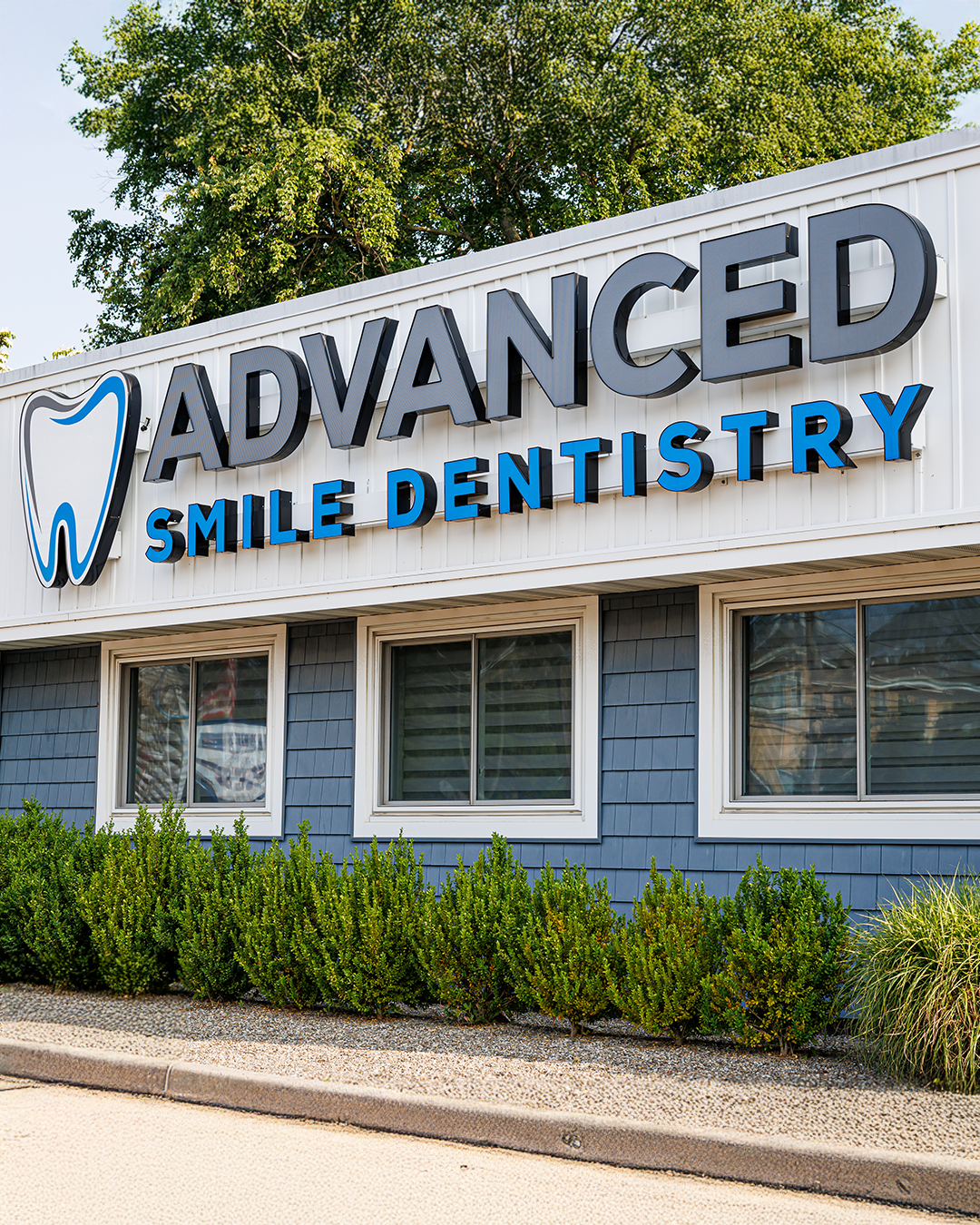
Advanced Smile Dentistry explains the differences between dental implants, dentures, and implant-supported dentures to help patients compare options.
TOMS RIVER, NJ, UNITED STATES, June 17, 2026 /EINPresswire.com/ — Advanced Smile Dentistry is helping patients better understand the differences between dental implants and traditional dentures as more adults explore long-term tooth replacement options. While both treatments are designed to replace missing teeth, they differ significantly in stability, function, maintenance requirements, and long-term oral health considerations.
Many individuals researching tooth replacement solutions ask a common question: **Are dental implants better than dentures?** The answer depends on a patient’s oral health, treatment goals, anatomy, and budget. Understanding the advantages and limitations of each option can help patients make informed decisions during the treatment planning process.
Dental Implants vs Dentures: Understanding the Basics
Traditional dentures are removable prosthetic devices designed to replace missing teeth. They rest on the gums and can be removed for cleaning and maintenance.
Dental implants are titanium posts surgically placed into the jawbone to support replacement teeth. Depending on the patient’s needs, implants may support a single crown, multiple teeth, implant-supported dentures, or a full-mouth dental implant restoration.
While many patients compare dental implants and traditional dentures as separate options, implant-supported dentures may offer an alternative that combines features of both. By using dental implants to secure a denture, patients may experience improved stability and function compared to traditional removable dentures.
What Are the Key Differences Between Dental Implants and Dentures?
1. Stability and Security
One of the most noticeable differences is stability.
Traditional dentures may shift or move while eating or speaking. Some patients rely on adhesives to improve retention throughout the day.
Dental implants are anchored directly into the jawbone, creating a secure foundation for replacement teeth. This stability can help patients feel more confident during meals, conversations, and social activities.
2. Chewing Ability
Many denture wearers avoid certain foods because of movement or reduced biting force.
Dental implants often allow patients to eat a wider variety of foods comfortably because the restoration is supported by the implant structure rather than resting on soft tissue alone.
3. Speech Performance
Loose or poorly fitting dentures can sometimes affect pronunciation and speech clarity.
Implant-supported restorations remain fixed in place, helping many patients speak naturally without concerns about movement during conversation.
4. Jawbone Support
Following tooth loss, the jawbone may gradually lose volume due to reduced stimulation.
Dental implants transfer chewing forces into the jawbone, which may help support bone structure and facial contours over time. Traditional dentures do not provide the same type of bone stimulation.
5. Daily Maintenance
Traditional dentures must be removed for cleaning and often require periodic adjustments as the shape of the gums and jaw changes.
Dental implants require daily brushing and flossing, along with routine professional care, similar to natural teeth.
Quick Comparison: Dental Implants vs Traditional Dentures
* Stability: Dentures may shift; implants are anchored in the jawbone.
* Jawbone Support: Dentures provide limited stimulation; implants may help support bone structure.
* Cleaning: Dentures are removed for cleaning; implants are maintained similarly to natural teeth.
Are Dental Implants Better Than Dentures?
There is no universal solution that fits every patient.
Dentures may be appropriate for individuals seeking a non-surgical and lower-cost tooth replacement option. Dental implants are often considered by patients looking for improved stability, long-term function, and a fixed solution that more closely mimics natural teeth.
Implant-supported dentures may provide a middle-ground option for patients who want additional stability but are not candidates for, or are not pursuing, a fully fixed full-mouth dental implant restoration.
“Patients frequently ask whether they should choose dental implants or dentures,” said Dr. David Basar, DDS, Founder and Lead Dentist at Advanced Smile Dentistry. “The best choice depends on each person’s oral health, goals, and lifestyle. Many patients are surprised to learn that implant-supported dentures can offer a middle-ground solution between traditional removable dentures and full-mouth dental implants. Our role is to help patients understand their options and select the treatment that best supports their long-term oral health and daily function.”
Common Questions About Dental Implants and Dentures
* Do dental implants last longer than dentures?
Dental implants are designed as a long-term tooth replacement solution. While restorations may require maintenance over time, implants can remain functional for many years with proper care and regular dental visits.
* Are dentures more affordable than dental implants?
Traditional dentures generally have a lower upfront cost. However, patients should also consider long-term maintenance, adjustments, replacements, and overall treatment goals when comparing options.
* Can implant-supported dentures offer a middle-ground solution?
Yes. Implant-supported dentures combine features of both treatments by using dental implants to improve denture stability and retention. Many patients choose this option when seeking greater comfort and functionality than traditional removable dentures can provide.
Educating Patients on Tooth Replacement Options
Advanced Smile Dentistry frequently evaluates patients considering traditional dentures, implant-supported dentures, or full-mouth dental implants as part of their tooth-replacement journey.
The practice continues to provide educational resources that help patients understand full-mouth dental implants, implant-supported dentures, and other restorative treatment options. Through comprehensive evaluations and personalized treatment planning, patients can better understand which solution may be appropriate for their individual needs.
Individuals interested in learning more about dental implants, dentures, or implant-supported dentures can schedule a consultation at Advanced Smile Dentistry’s Toms River office to discuss available treatment options.
About Advanced Smile Dentistry
Advanced Smile Dentistry is a dental implant practice based in Toms River, New Jersey, led by Dr. David Basar. The practice focuses on full-mouth dental implants, full-arch dental implants, implant-supported dentures, dental implant surgery, and advanced restorative dentistry. Advanced Smile Dentistry utilizes digital diagnostics, 3D imaging, and personalized treatment planning to support predictable treatment outcomes and long-term oral function. The practice is known for helping patients with extensive tooth loss, failing teeth, and complex restorative needs through comprehensive implant-based solutions and patient-centered care.
Dr. David Basar
Advanced Smile Dentistry
+1 732-561-1770
office@advanceddentalsmile.com
Visit us on social media:
Instagram
Facebook
YouTube
Other
Dental Implant Options Explained | Advanced Smile Dentistry
Legal Disclaimer:
EIN Presswire provides this news content “as is” without warranty of any kind. We do not accept any responsibility or liability
for the accuracy, content, images, videos, licenses, completeness, legality, or reliability of the information contained in this
article. If you have any complaints or copyright issues related to this article, kindly contact the author above.

Media gallery