
Key Takeaways
- Your first season of boat ownership starts long before you untie the lines—preparation makes the difference between stressful days and enjoyable ones
- Chicago’s harbor season runs May 1 through October 31, with the best weather typically June through August
- Illinois requires a boating safety certificate if you were born on or after January 1, 1998—and completing a course often earns insurance discounts
- Boat insurance isn’t legally required in Illinois, but most marinas require liability coverage for a slip, and lenders require it if you financed your boat
- Lake Michigan rewards patience—starting on calm days, learning your boat, and building experience gradually sets you up for seasons of confident boating
As temperatures rise around Chicago, marinas begin filling with activity. Boat owners return to storage facilities, launch ramps become busier, and weekends quickly fill with plans to spend time on the water.
For first-time boat owners, it’s an exciting time – and often also the beginning of a learning curve.
Preparing a boat for the season involves more than uncovering it, fueling up, and heading to the lake. A little planning before the first launch can help prevent mechanical issues, improve safety, and make every outing far more enjoyable.
This guide walks through what first-season preparation looks like in Chicago — so your first days on Lake Michigan feel like the beginning of something great, not a crash course in everything you didn’t know.
Getting Familiar With Chicago’s Boating Season
Harbor season in Chicago runs May 1 through October 31. The city has ten harbors stretching from the south side to the northern border, home to over 6,000 boaters each summer. June through August offers the warmest weather and longest days, though May and September can be beautiful with lighter crowds and easier docking.
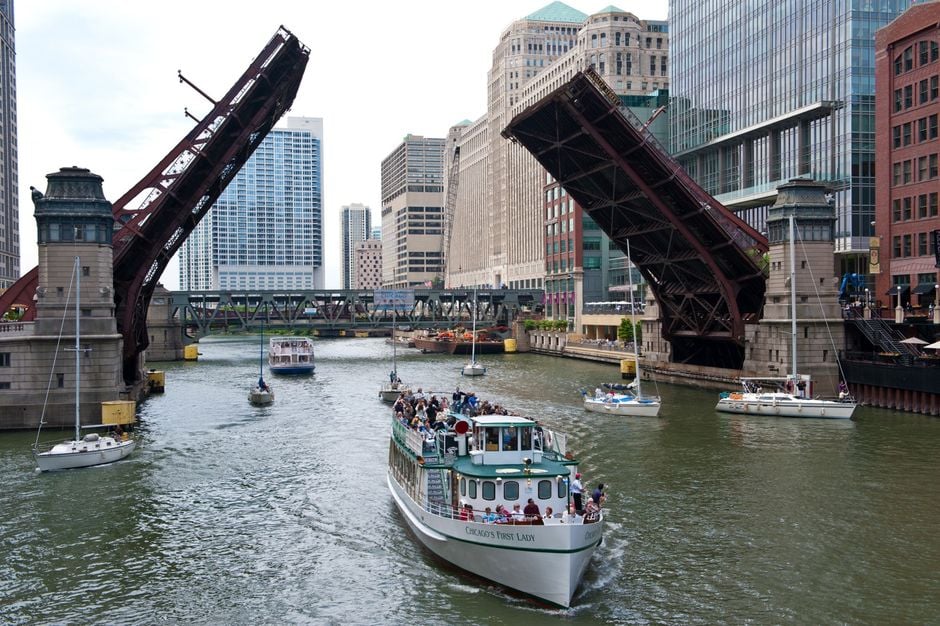
If this is your first season, you’ll start hearing names that mean nothing yet but will soon feel familiar. The Playpen is the no-wake anchorage just north of Navy Pier — on summer weekends, boats raft up there by the hundreds, music playing, the skyline glittering behind them. The Chicago Lock is your gateway to the river and its famous architecture tour views. Belmont and Diversey Harbors have fuel docks. Navy Pier hosts fireworks every Wednesday and Saturday night throughout the summer.
None of this needs to be memorized before your first trip. But knowing the basics helps you feel less like a visitor and more like you belong out there, which, now that you own a boat, you do.
The Paperwork You’ll Need Sorted Before Launch
A few things need to be in order before your first day on the water.
If you were born on or after January 1, 1998, Illinois requires you to complete an approved boating safety course before operating a motorized vessel. Even if you don’t technically need the certificate, the course is worth your time. It covers navigation rules, right-of-way situations, safety procedures, and how to handle scenarios you haven’t encountered yet. Most courses are available online and can be completed in a few hours. You’ll feel more confident afterward — and most insurance companies offer discounts to boaters who’ve completed one.
All boats operating in Illinois waters must be registered with current decals displayed. If you bought from a dealer, they likely handled this as part of the sale. If you bought privately, make sure the title transfer and registration are complete before you try to launch. It’s an easy thing to overlook in the excitement of a new purchase, and an annoying reason to delay your first trip.
Keep your registration, proof of insurance, and safety certificate accessible on the boat. If you’re ever stopped for a routine safety check — and the Coast Guard does conduct them — you’ll need to produce these documents.
Making Sure Your Boat Is Ready
If your boat spent the winter in storage, it needs some attention before it hits the water.
Winterization protects the engine and systems during cold months, but summerization is just as important. That means checking the battery and charging or replacing it if needed. Inspecting the hull for any cracks or damage that developed over winter. Testing bilge pumps to make sure they’re working. Verifying fluid levels and belts. Running the engine briefly to confirm everything sounds right before you’re out on the lake and depending on it.
If you’re not comfortable doing this yourself, most marinas offer spring commissioning services. It’s worth the investment in your first year while you’re still learning what to look for. The goal is to prevent any surprises on your first day out.
Beyond mechanical prep, make sure your safety equipment is on board and accessible. That means a life jacket for every passenger — USCG-approved, properly sized, and easy to reach. A fire extinguisher. A throwable flotation device. A horn or whistle. Navigation lights if you’ll ever be out after sunset. These aren’t optional extras. They’re required, and they’re what keep a minor problem from becoming a serious one.
Understanding Insurance Before You Need It
One of the first surprises many new boat owners encounter is that Illinois doesn’t legally require boat insurance. But that doesn’t mean you can skip it.
Most Chicago marinas require proof of liability coverage before they’ll assign you a slip. If you financed your boat, your lender almost certainly requires coverage as a condition of the loan. And even if neither of those applies to you, insurance protects you from costs that can escalate quickly, like damage to another boat, an injury on the water, or your own vessel getting damaged in a storm while it’s docked.
Think of insurance as part of preparing for the season, not a separate administrative task. Getting it sorted now means one less thing to deal with when you’re ready to launch.
What Boat Insurance Actually Covers
If you’ve never had a boat policy before, here’s what you’re looking at.
Liability coverage handles damage or injury you cause to others. If you accidentally hit another boat or someone gets hurt because of something you did on the water, liability coverage pays for their repairs, medical bills, and legal costs up to your policy limits. Most professionals recommend at least $100,000 in liability coverage, though your marina may have its own minimum requirements.
Collision and comprehensive coverage protect your own boat. Collision covers damage from accidents — hitting a dock, another vessel, or a submerged object. Comprehensive covers theft, vandalism, fire, and storm damage. If your boat has significant value, this coverage protects your investment.
Medical payments coverage handles injuries to you and your passengers, regardless of who’s at fault.
Uninsured boater coverage protects you if someone without insurance causes an accident that damages your boat or injures you.
Towing and assistance coverage handles on-water breakdowns. This one’s easy to overlook until you learn that a 20-mile tow can cost $3,000 or more without it. For new boaters still learning their equipment, it’s worth considering.
A typical recreational boat policy runs $200-$600 per year, roughly 1-5% of the boat’s value. Completing a boating safety course often qualifies you for a discount — another reason to take the course even if you’re not legally required to.
Building Confidence On The Water
Lake Michigan is over 22,000 square miles, and the weather can shift faster than new boaters expect.
A calm morning can become a choppy afternoon. Wind builds. Waves stack up. What felt manageable at 9 AM can feel very different by 2 PM. This isn’t meant to scare you—it’s meant to encourage patience.
Your first few trips should be about learning your boat and learning the lake, not pushing limits. Start on calm days. Stay closer to harbor until you’re comfortable with how your boat handles. Pay attention to forecasts before you head out, and keep an eye on conditions while you’re on the water. If things feel uncertain, there’s no shame in cutting a trip short or staying docked altogether. The boaters who enjoy this for years are the ones who respect the water and build experience gradually.
If you want to accelerate your learning curve, consider booking a captained charter early in the season. A few hours with an experienced captain who knows Chicago’s waters can teach you things no course or article covers — where to anchor, how to read the conditions, what the unwritten rules are. Local yacht clubs are another good resource. The boating community here is generally welcoming to newcomers who show up ready to learn.
Final Thoughts
Your first boating season is unlike any that follow. Everything is new—the routines, the rhythms, the way the city looks from the water. There’s a version of Chicago you only see from a boat, and you’re about to get to know it.
A little preparation before launch means fewer surprises and more time doing what you bought the boat to do. Get your paperwork sorted. Make sure your boat is mechanically ready. Understand what your insurance covers and why it matters. And give yourself permission to learn as you go.
Jerry Carter, State Farm Insurance
9816 South Cicero Avenue
Oak Lawn
IL
60453
United States


