
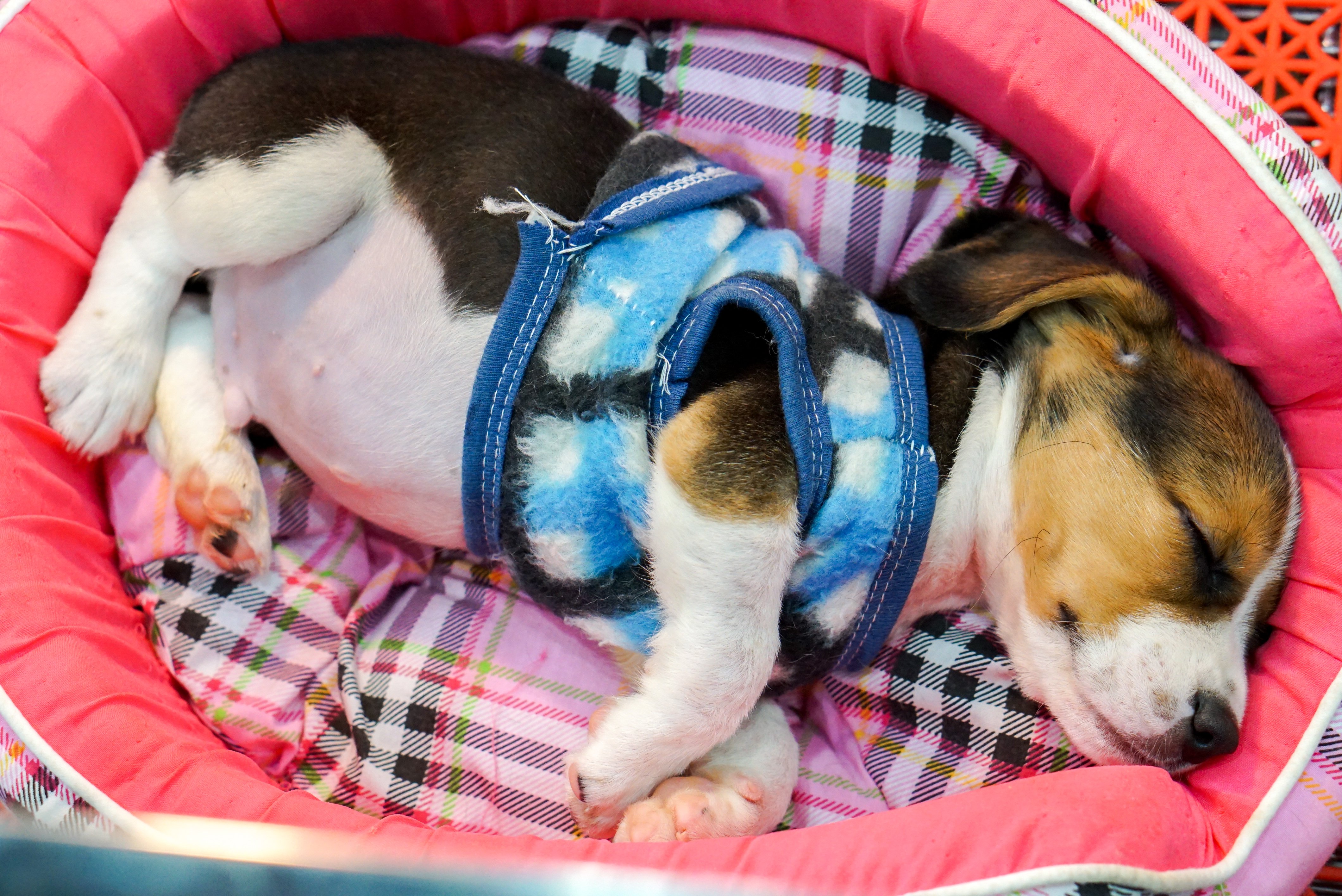
Key Takeaways
- Thorough preparation before a first boarding stay, including vaccines, crate training, and trial daycare, helps a puppy settle in with far less stress
- A short, calm goodbye on drop-off day can make a bigger difference than owners expect – the article explains why
- Vaccinations should be updated at least 7-10 days before boarding so a puppy’s immunity has time to build and any minor side effects can pass
- Packing familiar comfort items alongside the right food, medication, and ID details rounds out a smooth pre-stay checklist
- Two to six trial daycare visits in the month before boarding give a puppy a real head start on settling into a new environment
Bringing a puppy in for an overnight stay for the first time is a big milestone, both for the pup and for the person holding the leash. A little preparation in the weeks before drop-off turns a potentially nerve-wracking event into something closer to a fun little adventure for a young dog. This guide walks through the health steps, training habits, and packing details that make a first boarding stay go smoothly.
Vaccines Your Puppy Needs First
Before a puppy can safely spend the night around other dogs, a solid health foundation needs to be in place. Boarding facilities bring together dogs from many different households, so protecting against common, easily spread illnesses matters for every pet in the building, not just one. Facilities typically expect puppies to be fully vaccinated, or far enough along in their vaccination series with veterinary sign-off, before accepting an overnight guest.
Vaccination Records and Timing
Required Boosters: Rabies, Distemper, and Bordetella Schedules
Current boosters for Rabies, Distemper, and Bordetella are standard requirements before a puppy can stay overnight at a boarding facility. These three vaccines cover the illnesses most likely to spread in group dog settings, with Bordetella specifically targeting kennel cough, a respiratory illness that moves quickly between dogs sharing close quarters. A puppy’s full core vaccine series generally also includes Parvovirus and Adenovirus protection, so a veterinarian visit that checks the whole record, not the three shots alone, saves a return trip later.
Bringing physical or digital proof of these vaccinations on drop-off day keeps the check-in process quick and simple. A recent veterinary checkup summary or health certificate adds an extra layer of reassurance for facility staff and gives owners a paper trail if any questions come up during the stay.
Timing Shots at Least 7-10 Days Before Boarding
Scheduling vaccinations too close to a boarding date can backfire. Some puppies experience mild soreness or low energy for a day or two after a shot, and that is not the ideal way to start a stay away from home. Updating boosters at least 7-10 days before drop-off gives the vaccine time to become fully effective and lets any minor side effects resolve well before check-in.
This timing rule pairs well with a broader practice worth remembering: grooming appointments and routine vet visits are best scheduled a few days ahead of boarding rather than the day before. A puppy who feels rested and comfortable settles into a new environment far more easily than one recovering from a busy string of appointments.
Crate Training Builds Comfort
A puppy who already sees a crate as a cozy, familiar spot has a real head start on boarding day. Crate training at home, well before any stay is booked, teaches a young dog that a den-like space means safety and rest rather than isolation. Simple steps like tossing treats inside the crate, feeding meals near or in it with the door open, and gradually extending quiet time inside build this association naturally.
This groundwork pays off directly during boarding. A private sleeping space at a kennel feels far less like a strange box and more like a smaller version of something already known to be safe. Puppies who resist crates entirely tend to show more stress signals during a stay, including pacing, whining, or trouble settling down for rest, so even a few weeks of gentle practice beforehand makes a measurable difference in how a first stay unfolds.
Trial Daycare Eases the Transition
Jumping straight from home life to a multi-night boarding stay asks a lot of a young dog with no reference point for what is happening. A short trial visit, whether a few hours of daycare or a single overnight, lets a puppy experience the sights, sounds, and routine of a facility while the stakes are still low. Facility staff also get a chance to observe temperament and play style, which helps them adjust care during a longer stay later on.
A reasonable target for most puppies is somewhere between two and six daycare visits at the same location in the month leading up to a first boarding stay. This staggered approach means the facility, the staff, and the puppy’s own instincts are all working with familiar information by the time a longer stay arrives. Owners who skip this step often find their puppy adjusts eventually anyway, but those early hours can otherwise carry more stress than necessary.
What to Pack for Your Puppy’s Stay
Food and Medication Needs
Sticking with a puppy’s regular diet during a boarding stay prevents one of the most common causes of digestive trouble: sudden food changes. Packing enough of the usual food for the full length of the stay, plus a bit extra in case travel plans shift, keeps mealtimes consistent and stress-free. Written feeding instructions, including exact portions and timing, help staff follow the same routine a puppy already knows at home.
Special diets deserve a little extra planning. Whole food diets that require refrigeration, along with other special food needs, often carry an added fee at boarding facilities, so checking on any extra charges ahead of time avoids surprises at pickup. Any medications or supplements should travel in their original, clearly labeled containers with dosage and timing spelled out. Confirming these details in advance keeps everything running smoothly.
Familiar Comfort Items
A blanket, bed, or small toy that already carries a puppy’s scent can make a new sleeping space feel far less foreign. Even a T-shirt that smells like home has a calming effect for many young dogs working through their first few nights away. These small comforts do not replace attentive care from staff, but they add a layer of emotional continuity that helps a puppy settle faster.
Sending along notes about a puppy’s habits rounds out the picture nicely. Details like typical potty schedules, sleep patterns, or quirks such as noise sensitivity give staff useful context for reading a young dog’s behavior correctly during the stay.
Leash, ID, and Emergency Contacts
A sturdy leash paired with a well-fitted harness or collar bearing current identification tags belongs on every packing list. These basics matter for daily walks and playtime, and they become critical if a puppy ever needs quick identification. Alongside these items, contact information for a regular veterinarian and a backup emergency contact person gives staff everything needed to act fast if a health question comes up.
Taking a few minutes to double-check that ID tags list current phone numbers, rather than an old address or disconnected line, is a small step that carries real weight in an emergency.
Smoothing the Final Day Goodbye
The morning of drop-off sets the tone for the whole stay, so a calm routine works better than a dramatic send-off. A walk or play session before arriving at the facility helps burn off nervous energy, making it easier for a puppy to settle in once staff takes over. Long, emotional goodbyes tend to signal anxiety to a young dog rather than reassurance, even when that is not the intention behind them.
Keeping the actual farewell short and confident helps a puppy pick up on calm energy rather than tension. A quick, upbeat exit, paired with a familiar comfort item already tucked into a travel bag, gives a puppy something steady to hold onto during those first uncertain minutes. A bath refresh service before pickup can also turn the end of a stay into a pleasant bookend, sending a puppy home looking and smelling fresh.
Preparation Turns Boarding Into a Positive Experience
Every piece of this checklist, from vaccine timing to a familiar blanket tucked into a travel bag, works toward the same goal: helping a puppy feel safe in an unfamiliar place. These steps require little extra time or expense, yet together they add up to a noticeably smoother stay for a young dog and far less worry for the person picking them up afterward.
Belle Aire Kennels
4205 Belle Aire Ln
Downers Grove
IL
60515
United States


