Understanding Ceramic Fireplace Glass, Safety Seals, and Smart Fireplace Buying
Cape Town, South Africa – March 10, 2026 / Hydrofire Cape Town /
Hydrofire Explains Fireplace Glass vs Glass Fireplaces: Safety, Sizing, and Smarter Buying in South Africa
As winter settles across South Africa, fireplaces shift from decorative centrepieces to daily essentials. Homes warm slowly in the evenings, flames reflect against walls, and families rediscover the comfort of contained fire.
Yet each winter, Hydrofire sees a noticeable rise in one particular question: fireplace glass.
Customers frequently search for glass fireplaces when what they actually need is replacement fireplace glass. Others assume any glass panel will suffice. Some notice cracks but delay replacement, unaware of the implications. And many underestimate the importance of seals and correct sizing.
In response, Hydrofire is clarifying the distinction between fireplace glass and glass fireplaces — and explaining why ceramic glass, correct measurements, and proper gasket installation are critical to safety and performance.
This educational overview provides South African homeowners with practical insight before they replace a panel or invest in a new glass fireplace.
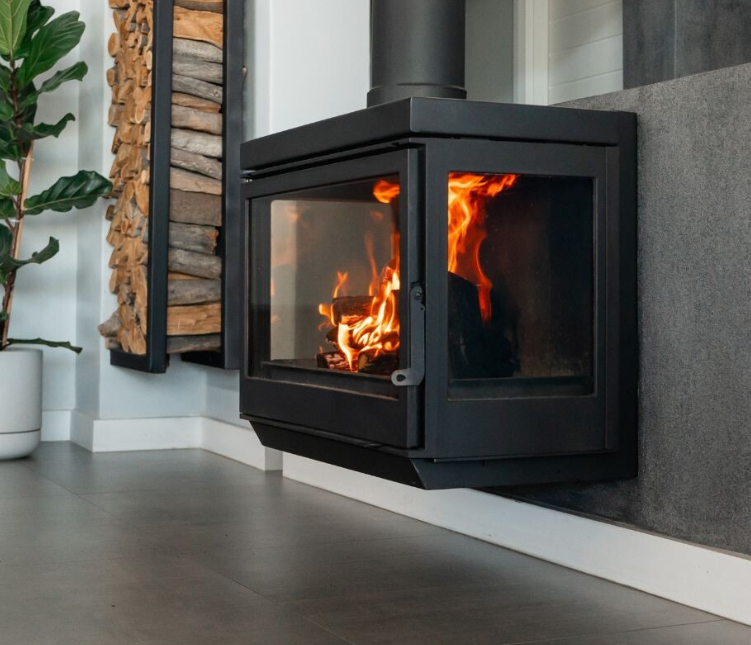
Hydrofire Clarifies the Difference Between Fireplace Glass and Glass Fireplaces
The terms are often used interchangeably, but they describe very different things.
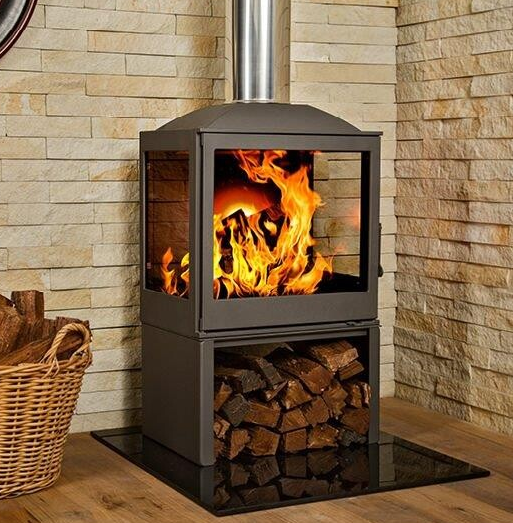
When customers refer to glass fireplaces, they are typically describing closed combustion units fitted with a transparent viewing panel. These fireplaces are designed to allow visual access to the flame while maintaining a sealed combustion chamber.
Fireplace glass, on the other hand, refers specifically to the heat-resistant ceramic panel installed within the fireplace door or frame.
Hydrofire notes that the confusion is understandable. Modern fireplace design emphasises clean lines and uninterrupted flame views. Front-facing glass, side glass, corner installations and multi-panel configurations all contribute to the perception that the fireplace itself is made of glass.
In reality, the glass component is a specialised safety element engineered for extreme temperature exposure.
Hydrofire Explains What Fireplace Glass Actually Does
Fireplace glass is not decorative. It is structural.
Unlike ordinary window glass, fireplace glass is manufactured from ceramic material designed to withstand prolonged exposure to high temperatures. In a closed combustion unit, this ceramic glass forms part of a sealed system that regulates airflow and combustion efficiency.
Its role is threefold.
First, it allows safe viewing of the fire without exposing the room to sparks or embers. Second, it preserves internal heat by maintaining a controlled combustion environment. Third, it contributes directly to performance by supporting efficient wood burn cycles.
Hydrofire emphasises that the glass panel is not an optional accessory. It is an engineered component of the heating system.
Hydrofire on Ceramic Glass and Why Ordinary Glass Is Not Suitable
One of the most serious risks Hydrofire encounters is the attempted replacement of fireplace glass with standard tempered or household glass.
Ceramic glass differs fundamentally from ordinary glass. It is designed to tolerate sustained temperatures exceeding 700°C, with minimal expansion and structural distortion. This stability allows it to remain intact even when exposed to direct flame contact.
Standard glass, even when tempered, is not designed for such conditions. Under high thermal stress, it can crack suddenly or shatter entirely. Beyond the obvious safety hazard, this compromises the sealed combustion system and allows smoke or sparks to escape.
Hydrofire advises that fireplace glass replacement should always involve appropriate ceramic glass manufactured for enclosed heating appliances.
Hydrofire on the Safety Role of Seals and Gaskets
The integrity of fireplace glass does not depend solely on the ceramic panel itself. It relies equally on the seal that surrounds it.
Between the glass and the metal frame sits a gasket, typically manufactured from high-temperature glass fibre rope. This seal creates an airtight barrier that supports controlled airflow.
When seals deteriorate, air enters the combustion chamber unpredictably. The fire may burn hotter than intended, wood consumption may increase, and efficiency can drop. In severe cases, smoke leakage may occur.
Hydrofire frequently reminds homeowners that replacing the glass without assessing the seal compromises the entire system. Ceramic glass and gasket integrity function together.
Hydrofire on When Fireplace Glass Needs Replacement
Fireplace glass is robust, but it is not immune to wear.
Visible cracking is the most obvious sign that replacement is necessary. Even a small fracture can expand rapidly under heat stress. Edge chipping may indicate mounting pressure or incorrect sizing. Persistent clouding or distortion may signal age-related degradation.
Hydrofire encourages early inspection rather than reactive replacement. A compromised panel does not simply reduce aesthetics. It weakens the sealed combustion environment.
In South Africa’s colder regions, where fireplaces operate daily during winter, proactive inspection before peak season reduces safety risk.
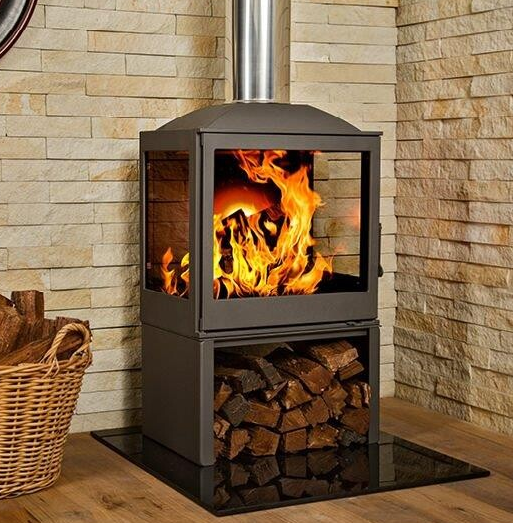
Hydrofire on Correct Sizing and Precision Measurement
Replacing fireplace glass is not a matter of approximation.
Ceramic glass must fit precisely within the fireplace frame. If cut too large, pressure points may form during thermal expansion. If too small, the seal may fail to maintain airtight integrity.
Hydrofire advises careful measurement of both visible opening and internal mounting dimensions. Thickness specification is equally important, as fireplace manufacturers design frames to accommodate specific panel tolerances.
Custom-cut fireplace glass is often necessary, particularly for older units. Precision prevents stress cracking and protects long-term durability.
Hydrofire on Side Glass Fireplaces and Multi-Panel Designs
Modern glass fireplaces increasingly incorporate side panels or corner viewing configurations. These designs create striking visual continuity and allow flames to be seen from multiple angles.
However, multi-panel installations increase the importance of proper installation and seal integrity. Each panel must maintain structural stability while accommodating thermal expansion.
Hydrofire ensures that side glass fireplaces are fitted with ceramic glass panels and seals designed specifically for high-temperature multi-surface exposure. In these configurations, performance and safety depend heavily on installation accuracy.
Hydrofire on Maintenance and Cleaning of Fireplace Glass
Over time, fireplace glass accumulates residue from combustion by-products. Even high-efficiency units will develop soot patterns depending on wood type and burn cycles.
Hydrofire recommends cleaning fireplace glass only when fully cooled. Approved fireplace glass cleaners should be used to prevent scratching or chemical damage. Abrasive tools can compromise the ceramic surface.
During cleaning, seals should also be inspected. Hardened or frayed gasket material may indicate the need for replacement before the next heating cycle.
Routine care preserves clarity and performance.
Hydrofire on Smarter Buying Decisions for Glass Fireplaces in South Africa
When investing in glass fireplaces, homeowners should consider more than visual appeal.
The quality of ceramic glass, availability of spare glass panels, and access to compatible glass fibre rope products all influence long-term ownership.
Hydrofire encourages buyers to confirm that replacement components are readily available. Fireplace glass is not a lifetime component; accessibility to spare parts protects investment value.
In South Africa’s winter climate, reliability matters.
Hydrofire on Spare Glass and Long-Term Maintenance Planning
Fireplace ownership extends beyond installation.
Hydrofire provides spare glass options to support long-term maintenance. Whether replacing a cracked panel or preparing for preventative upgrades, having access to correctly sized ceramic glass reduces downtime during peak heating season.
Seals should be replaced periodically as part of routine service. Glass fibre rope products designed for high-temperature applications ensure airtight integrity.
Smarter buying includes planning for maintenance.
Hydrofire Concludes: Understanding Fireplace Glass Protects Safety and Performance
The difference between fireplace glass and glass fireplaces is not semantic — it is structural.
Ceramic glass protects against heat stress. Seals regulate airflow. Correct sizing prevents cracking. Maintenance preserves clarity and efficiency.
Hydrofire’s position remains consistent: informed purchasing protects both safety and performance.
In South Africa’s winter months, fireplaces become central to daily comfort. Ensuring that fireplace glass is correctly specified, properly sealed, and accurately sized transforms a decorative feature into a reliable heating system.
Smarter buying begins with understanding the difference.

Contact Information:
Hydrofire Cape Town
12 Milner Street Paarden Eiland
Cape Town, Western Cape 7405
South Africa
Lovejoy Chigwida
+27 21 510 0980
https://hydrofire.co.za/

Original Source: https://hydrofire.co.za/page/media-room-johannesburg#/media-room


